
HOW TO BEST UTILISE LIGHTING IN YOUR ROOM
How to Best Utilise Lighting in Your Room: Design Tips + Smart Automation
Lighting is more than just a utility — it’s a defining layer in interior design that can influence mood, space perception, and functionality. Whether you’re aiming to elevate a minimalist living room or add drama to a cosy corner, the right lighting strategy makes all the difference. Below are expert tips to maximise your space’s potential, including how automated home systems can take it to the next level.
1. Maximise Natural Light
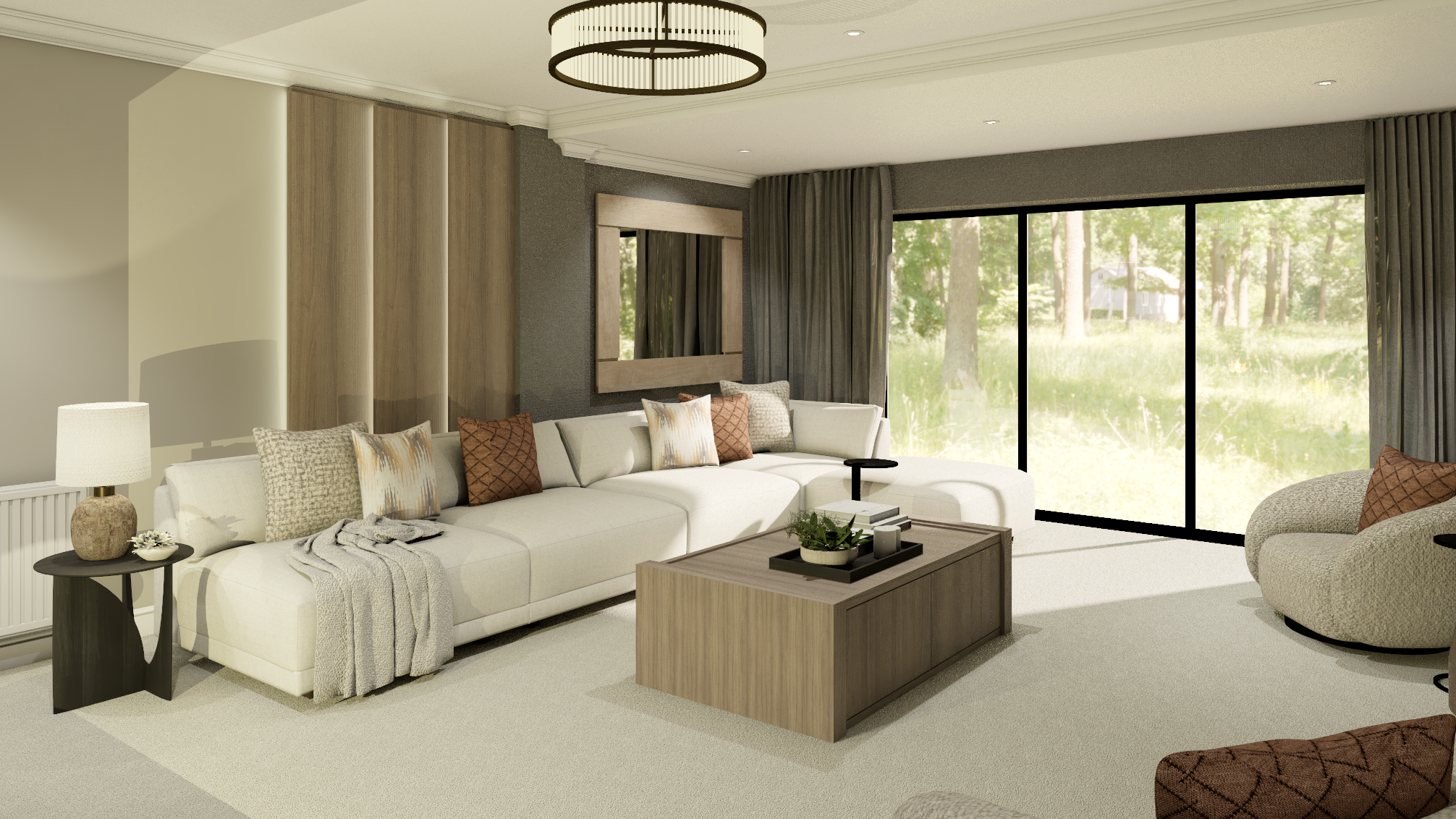
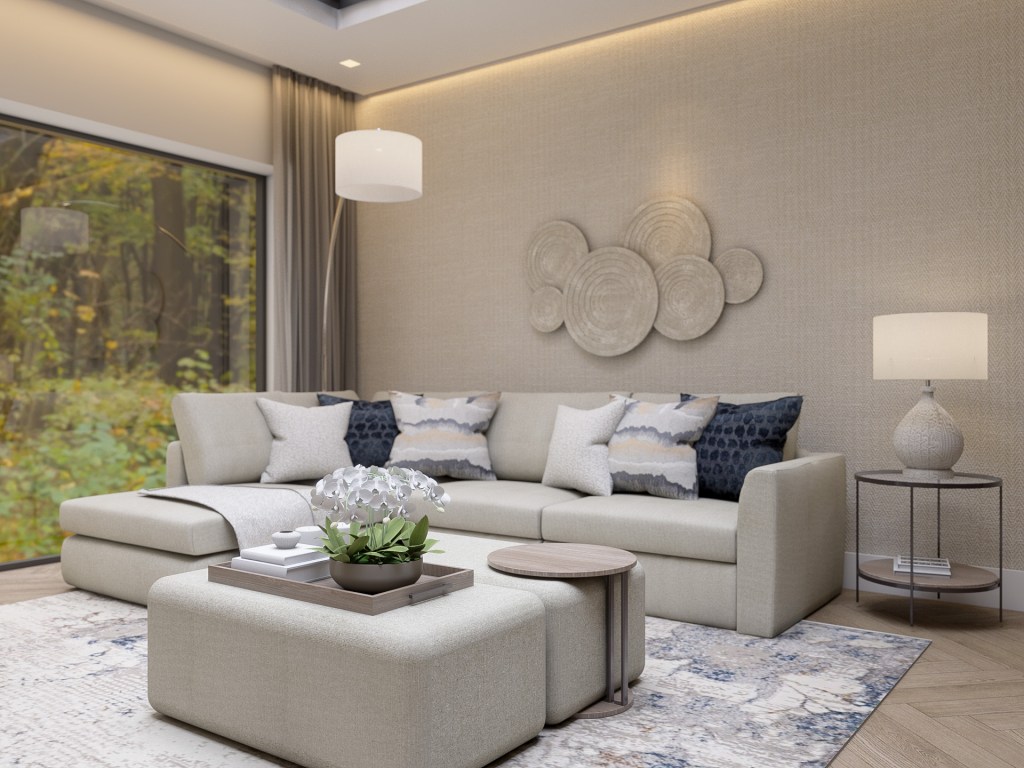
Nothing compares to the quality of daylight. Use expansive glass doors and large windows to flood interiors with sunlight. Layer sheer curtains with light-filtering fabrics to soften harsh rays without blocking the view. A well-lit room not only feels more open but also supports wellbeing and reduces reliance on artificial lighting during the day.
2. Layered Lighting on Multiple Circuits
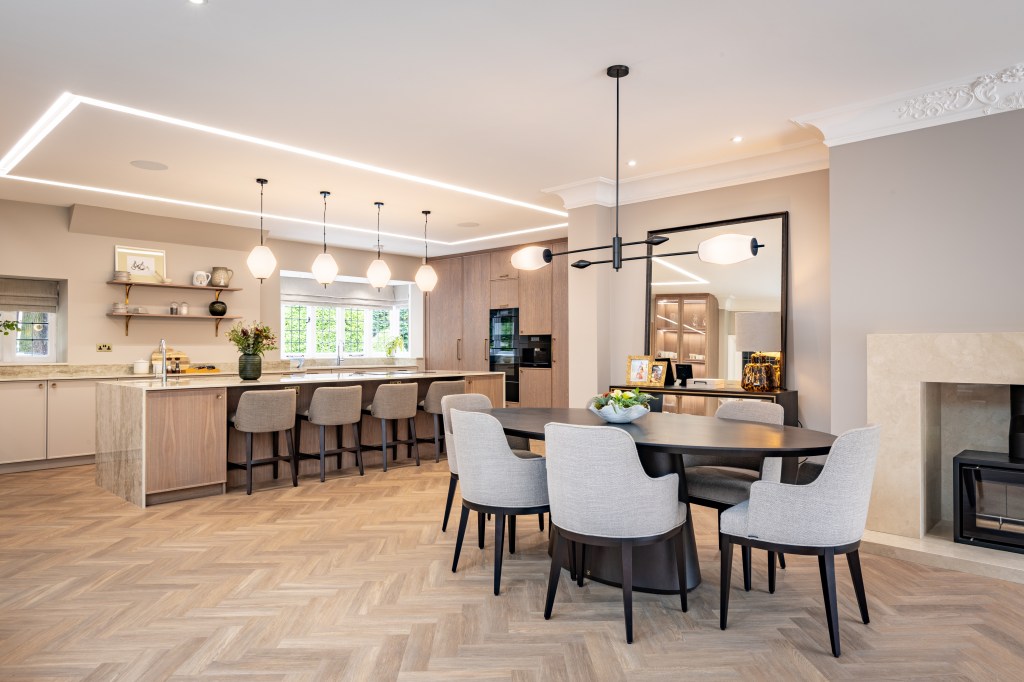
Good lighting isn’t one-size-fits-all. Divide your room into zones — task, ambient, and accent — each controlled on separate circuits. This allows you to create distinct moods for different functions: working, entertaining, or relaxing.
Smart twist: Integrate with home automation systems like KNX or Control4 to preset lighting “scenes” for daily routines (e.g., “Morning Boost” or “Movie Mode”).
Source: Control4 Smart Lighting Scenes
3. Combine Spotlights with a Statement Chandelier
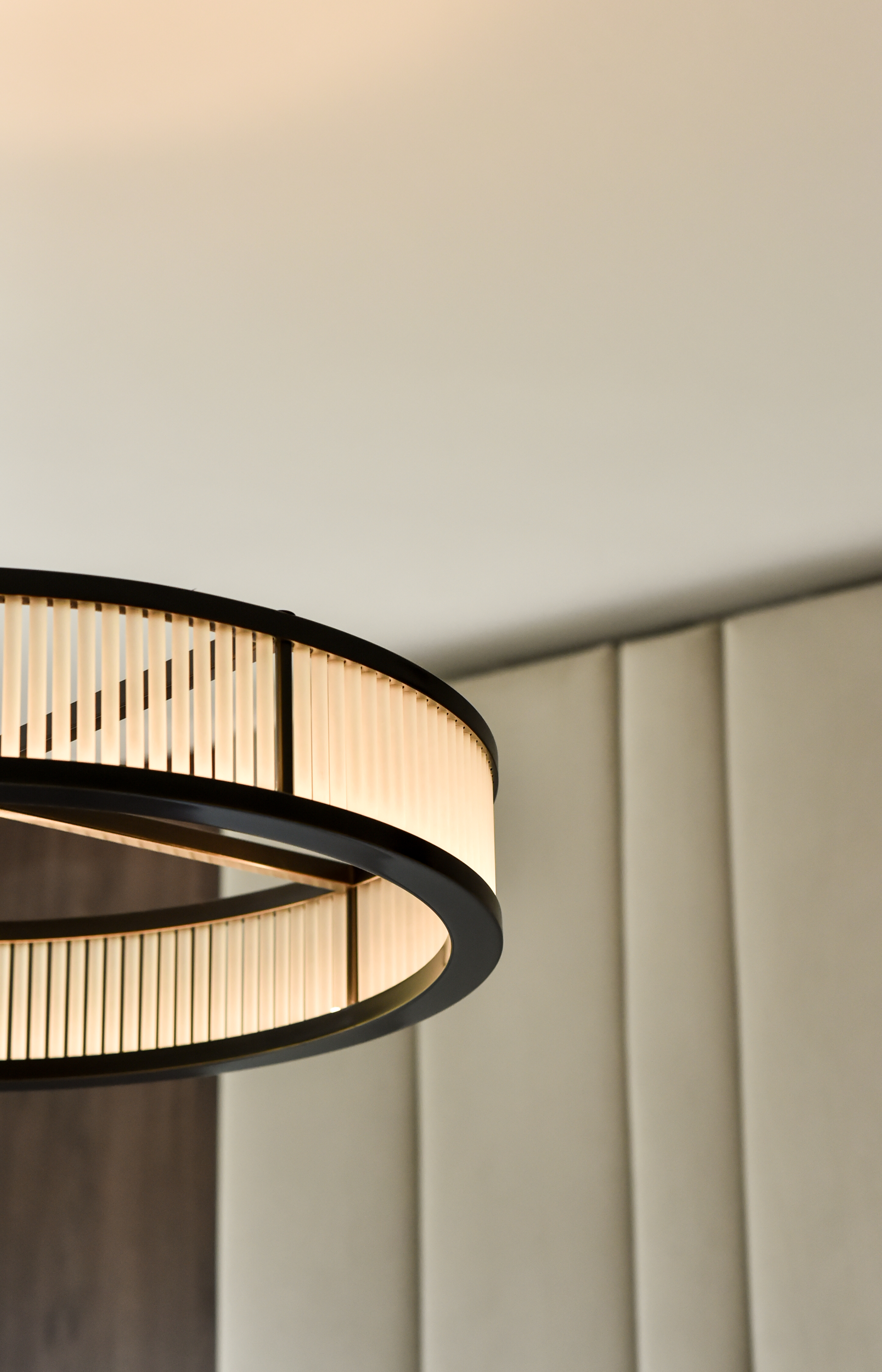
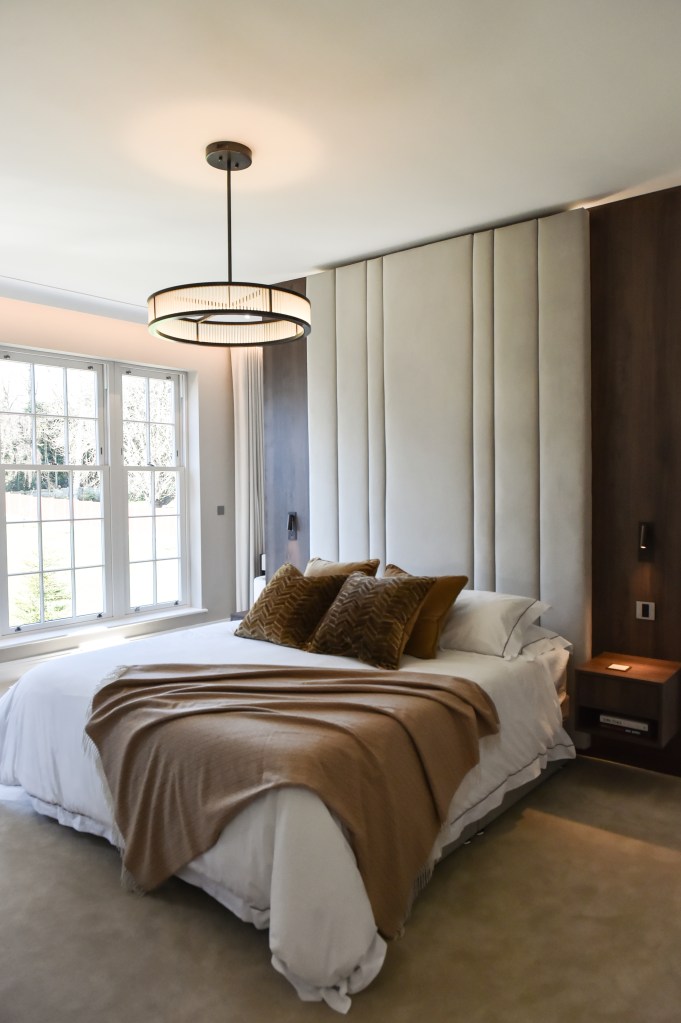
Recessed ceiling spotlights ensure even base illumination, while a sculptural chandelier acts as both a lighting element and design feature. The combination adds depth and elegance — think of it as layering jewelry over a perfectly tailored outfit.
Style tip: Use warm-tone LED spots on dimmers to avoid a clinical look and balance brightness with visual warmth.
4. Table Lamps for Ambient Comfort
Table lamps aren’t just decorative — they create inviting, low-level lighting perfect for intimate evenings. A mix of materials like fabric, ceramic, or glass can tie in your overall interior style.
Smart upgrade: Add smart plugs or voice-activated bulbs (e.g., Philips Hue or Eve) to control these with your smartphone or voice assistant.
Source: Philips Hue Table Lamp Automation
5. Indirect Lighting Behind Architectural Features
Architectural lighting, like backlit timber panels or concealed LED strips, brings subtle drama. It highlights texture and adds dimension without overwhelming the space. Ideal for creating that spa-like feel or gallery-inspired elegance.
Design note: Use tunable white LED strips with smart control to shift color temperature from cool daylight to warm amber as the day transitions.
6. Dimmers for Total Control
Dimmers are essential for flexible lighting. Whether you’re reading, dining, or unwinding, being able to fine-tune brightness levels ensures the right atmosphere.
Smart move: Use app-controlled dimmers or motion sensors that adjust automatically based on presence and time of day.
Source: Caséta Wireless Dimmer by Lutron
7. Embrace Full Smart Lighting Integration
Smart lighting is not just convenient — it’s transformational. With a connected system, you can automate schedules, control lighting remotely, and sync with circadian rhythms. Integration with other smart home elements (climate, security, entertainment) offers an intuitive, responsive environment.
Top systems to consider:
Apple HomeKit, Google Home, or Alexa for platform-based solutions.
Lutron HomeWorks (high-end custom integration)
Philips Hue (flexible and accessible)
KNX (open protocol, widely adopted in architecture
Photography Credits:
Ana Frantz Photography
 CASA MORE Interiors